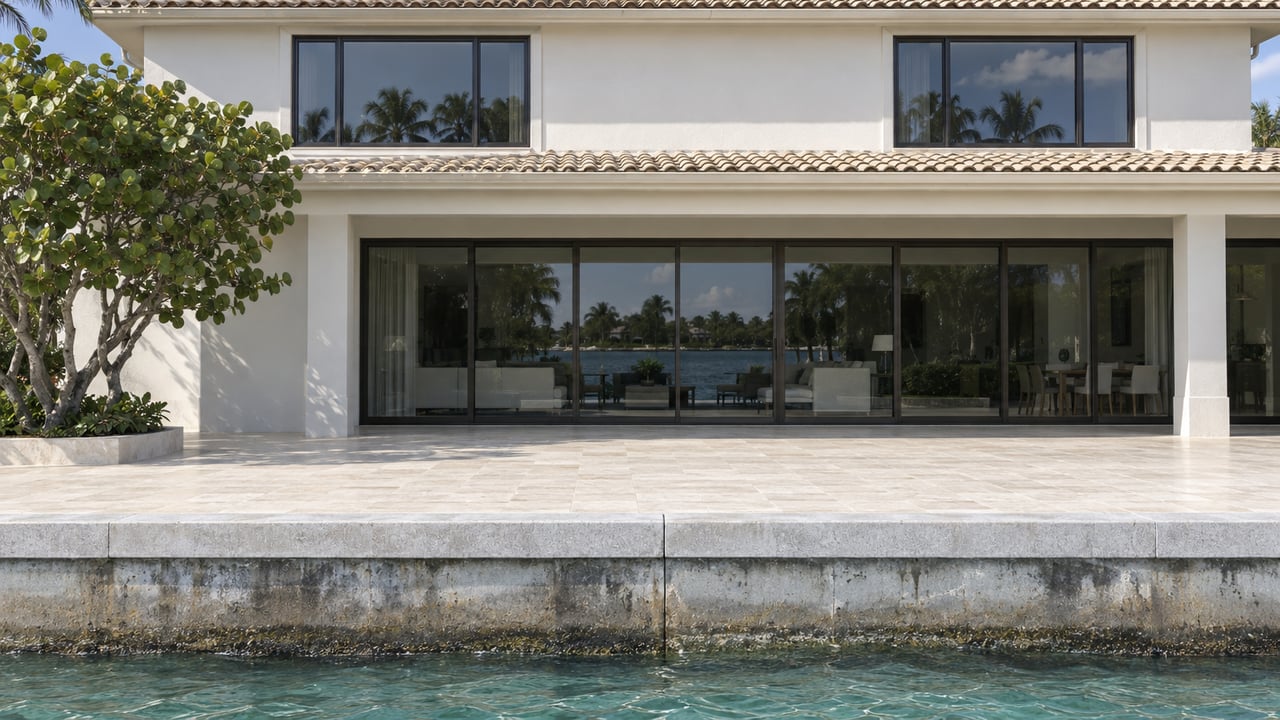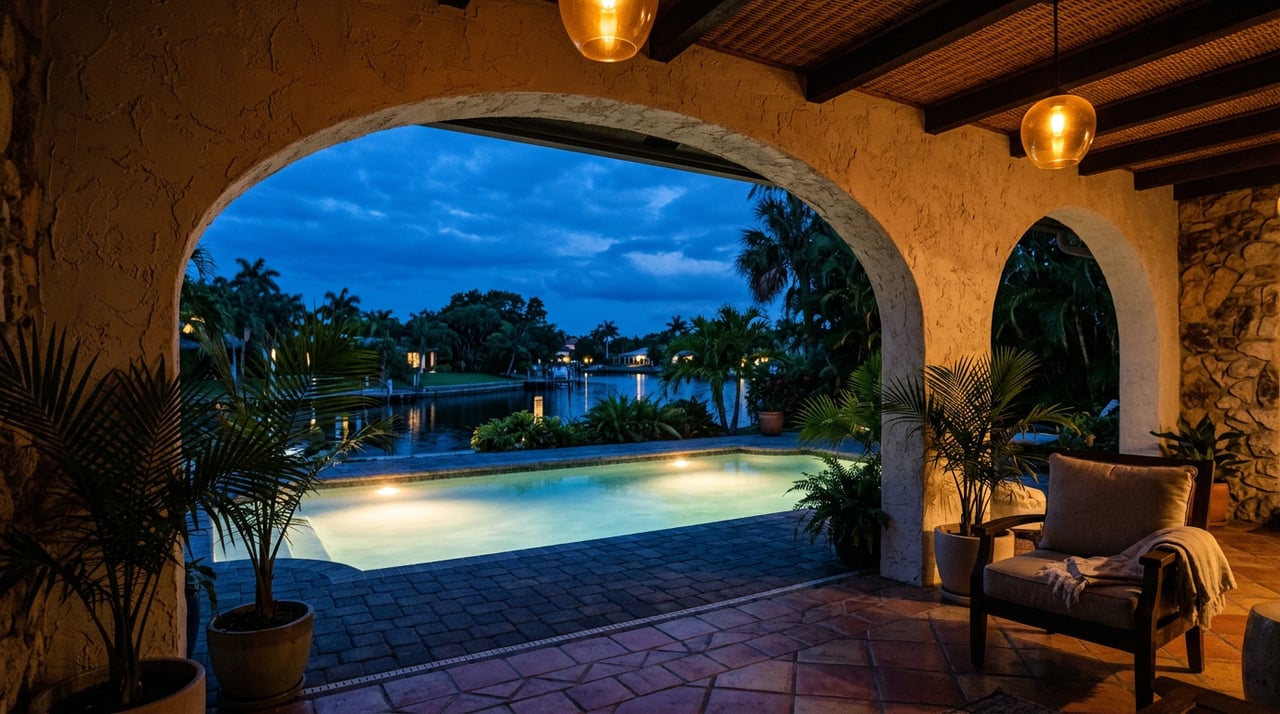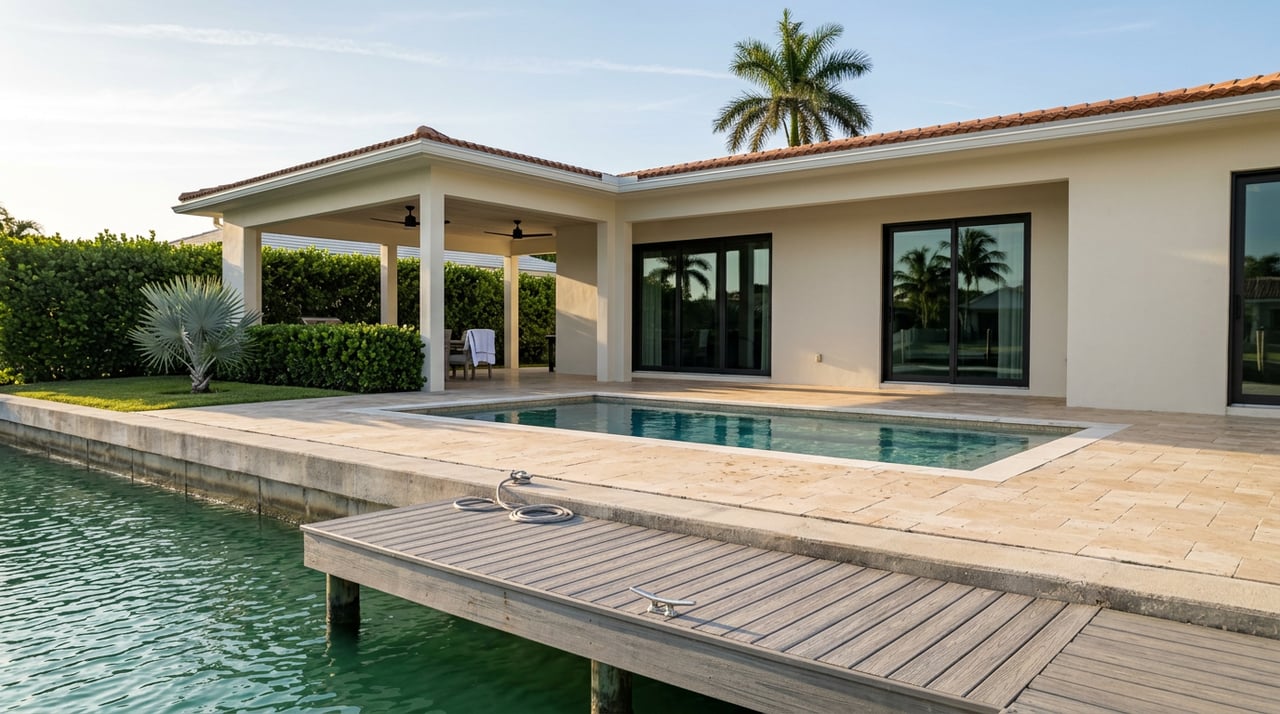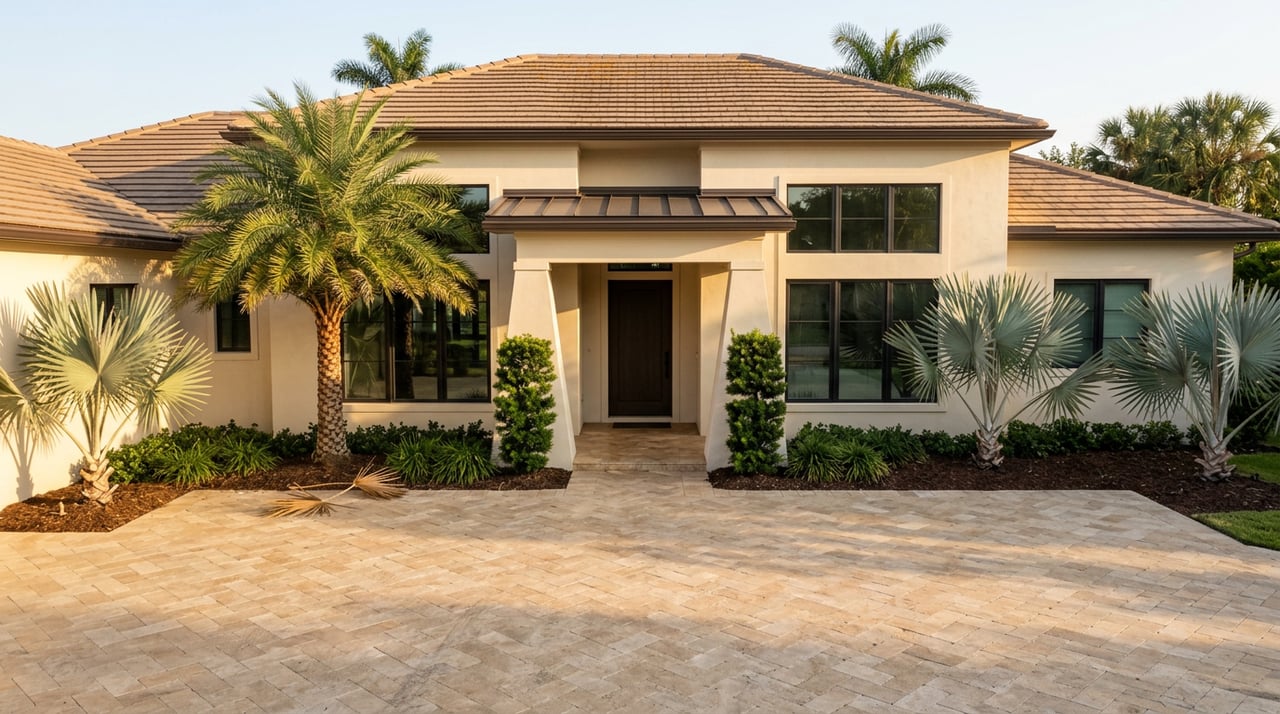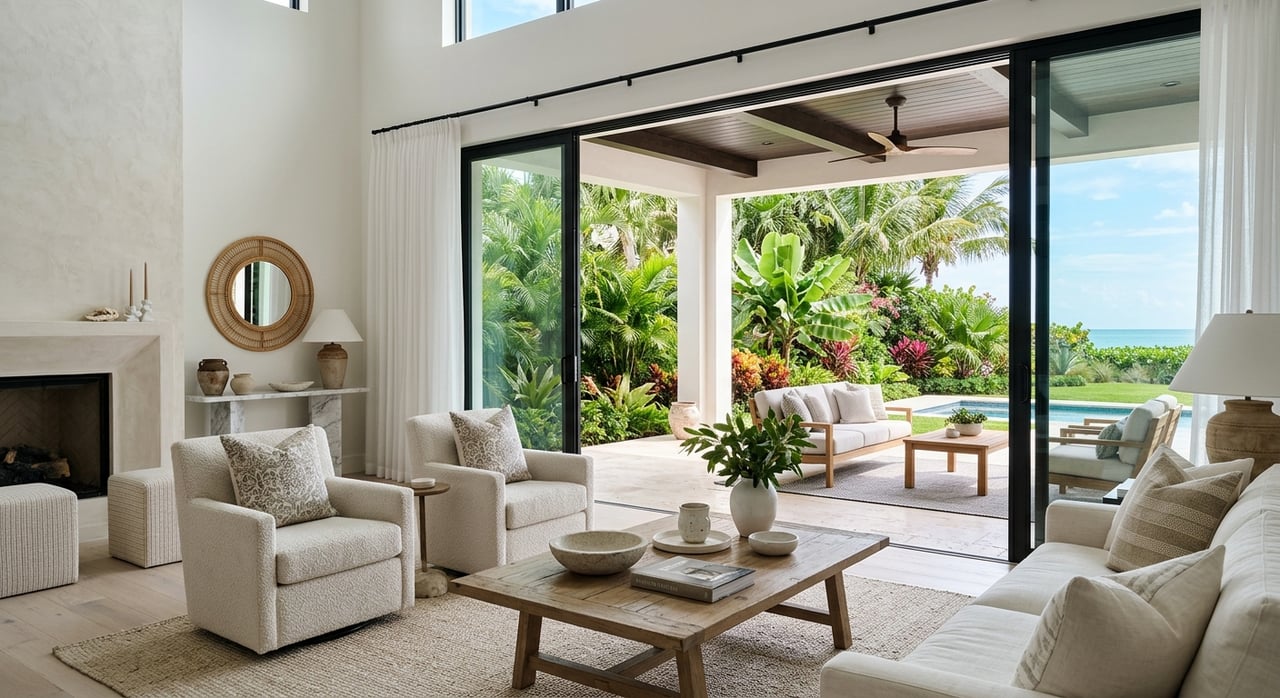
Dreaming about a place near the water where you can unplug for a weekend, stay longer in the winter, or build a flexible second-home plan? Buying a beach getaway in Jensen Beach can be exciting, but it also comes with choices that matter more than the view alone. If you want to understand pricing, property types, rental considerations, and the real carrying costs before you buy, this guide will help you think it through with confidence. Let’s dive in.
Why Jensen Beach Stands Out
Jensen Beach is part of Martin County’s coastal market, which is important because many of the rules that affect ownership are county-based. That includes items like taxes, flood exposure, beach-related permitting, and some rental and business-use questions.
For buyers, that means you should evaluate a Jensen Beach property through a Martin County lens rather than assuming the same rules apply across the broader Treasure Coast. That local detail can shape your budget, your due diligence, and how you plan to use the home.
Jensen Beach Prices at a Glance
Jensen Beach pricing generally sits in the low-to-mid $400,000s overall, depending on which metric you use. Recent public snapshots reported median or average figures around $419,171 to $430,833, while median listing prices were higher at about $471,500.
That said, the local market is not one-price-fits-all. Recent data also showed homes averaging about 57 days on market and selling roughly 5% below asking on average, which suggests room for careful negotiation in some situations.
Think in Price Bands
A beach getaway search in Jensen Beach works best when you think in price bands, not one headline number. Neighborhood values have ranged from roughly $187,537 in Bahama Terrace to about $588,046 in Windemere/The Pines.
That spread reflects how much location, water proximity, view corridor, and property type can change value. In practical terms, your budget may stretch very differently depending on whether you want inland convenience, a condo near the beach, or direct waterfront access.
Choosing the Right Property Type
Your best beach getaway depends on how you plan to use it. In Jensen Beach, buyers often compare condos, townhomes, single-family homes, and waterfront properties.
Each option can work well, but each comes with a different mix of purchase price, upkeep, insurance exposure, and rental complexity. Getting clear on your lifestyle goals early makes the search much easier.
Condos for Simplicity and Amenities
Condominiums are a major part of the Jensen Beach market. Current examples have ranged from the low $200,000s for smaller or more inland units up to about $1.25 million for an oceanfront three-bedroom condo.
For many second-home buyers, condos offer a lower entry point and less day-to-day exterior maintenance. The tradeoff is that you need to look closely at HOA rules, dues, reserves, insurance coverage, and any history of special assessments before you make an offer.
Townhomes for Middle-Ground Living
Townhomes often land in the middle of the price range. Recent listings showed a median around $419,000, with some new-construction examples around $395,000 to $436,000.
If you want more space than a condo but do not want the full maintenance load of a detached home, a townhome may be a strong fit. You still need to review association costs and restrictions carefully, especially if the home may serve part-time as a getaway and part-time as a rental.
Single-Family and Waterfront Homes
Single-family homes and waterfront properties usually offer the most privacy and control. They can also give you more flexibility for storage, outdoor living, and long-term use.
The tradeoff is cost. Recent sales ranged from a $330,000 one-bedroom home to a $1.625 million riverfront home, showing how quickly pricing can rise with size, frontage, and water access.
Match the Home to Your Use
Before you focus too much on finishes or views, decide how you want to use the property. That one decision affects financing, taxes, insurance, rental rules, and your monthly budget.
A few common use cases include:
- Personal second home with occasional stays
- Seasonal getaway for part of the year
- Mixed personal use and rental use
- Long-term hold with future lifestyle flexibility
If you may rent the property at all, verify the rules early. A home that works well for your personal use may not work the same way for short-term or longer-term rental plans.
Rental Rules and Tax Basics
If your beach getaway may also produce income, start with financing and occupancy rules. Fannie Mae states that a second home must be occupied by the borrower for some part of the year, must be suitable for year-round occupancy, must be a one-unit property, and cannot be a rental property or be subject to a management arrangement that controls occupancy.
That matters because a second-home preapproval is not always the same as financing for an income-producing property. You should confirm the occupancy classification with your lender before you move forward.
Short-Term Rental Taxes in Martin County
For transient rentals of six months or less, taxes are a major planning item. Florida rules say these rentals are subject to state sales tax and any applicable county discretionary surtax.
Martin County also imposes a 5% Tourist Development Tax, and the county tax collector states that owners must collect it even when bookings come through platforms like Airbnb or VRBO. With the Martin County discretionary sales surtax at 0.5% effective January 1, 2026, the core public tax stack for a transient rental is 11.5% before any other charges.
Longer-Term Rental Difference
Martin County distinguishes between transient and longer-term occupancy. According to the county tax collector, rentals over six months with a bona fide written lease are not subject to the tourist development tax.
That difference is one reason it helps to choose your strategy early. A property you plan to use as an occasional vacation rental may pencil out very differently from one you plan to lease for longer stretches.
Understand the True Monthly Cost
The purchase price is only one part of the decision. A realistic beach-getaway budget should include every recurring and occasional ownership cost.
Your all-in cost may include:
- Mortgage principal and interest
- Property taxes
- Homeowners or condo insurance
- Flood insurance if required
- HOA or condo dues
- Utilities
- Routine maintenance
- Repair reserves
Martin County notes that property taxes are based on assessed value and millage rates set by taxing authorities, with one mill equal to $1 per $1,000 of value. That makes tax estimates an important part of your pre-offer planning.
Homestead Is Usually Not Part of the Math
If this is a true vacation home, do not assume you will receive a homestead exemption. Martin County’s Property Appraiser states that you must make the property your permanent residence as of January 1 to qualify.
For most second-home buyers, that means a beach getaway generally should be budgeted without homestead treatment. If you intend to use the property as part of a business operation in unincorporated Martin County, additional zoning approval and business tax receipt questions may also apply.
Flood and Storm Due Diligence Matter
Coastal ownership comes with location-specific risk, so flood review should happen early. FEMA flood maps identify Special Flood Hazard Areas, and flood insurance requirements may apply when a property in one of those areas has a mortgage from a federally regulated or insured lender.
In Jensen Beach, that means elevation, flood zone, and insurance quotes should be part of your decision before you finalize terms. A home with a beautiful location can still be the right fit, but only if the full risk and cost picture makes sense for you.
Martin County also maintains shoreline programs, beach nourishment efforts, and mangrove restoration work intended to reduce flooding and storm impacts along the Jensen Beach coastline. These efforts help support the coastal environment, but they do not replace property-specific due diligence.
Review HOA and Condo Documents Carefully
If you are buying in a condo or HOA community, monthly dues are only the starting point. In Florida, rising condo and HOA costs and special assessments have become a real planning issue for buyers.
Before closing, ask to review key documents such as:
- Current budget
- Reserve information or reserve study
- Insurance certificate
- Recent meeting minutes
- Pending or recent special assessment notices
- Rental and occupancy rules
These documents can tell you a lot about the building or community’s financial health and any near-term costs you may inherit. They can also help you avoid surprises after closing.
Plan for Permits and Future Updates
Many buyers picture simple post-closing upgrades, but coastal homes often involve more process than expected. Martin County requires permits for many common projects, including hurricane shutter installation, reroofing, seawalls, decks, HVAC work, and kitchen or bathroom remodels.
That does not mean you should avoid improvements. It simply means you should budget for permit, inspection, contractor scheduling, and timeline considerations if you plan to update or harden the property.
A Smart Buying Framework
When you are comparing properties in Jensen Beach, a simple framework can keep you focused and organized. It also helps you move beyond emotion and make a cleaner financial decision.
Start with these steps:
- Confirm the property type that fits your lifestyle and budget.
- Decide how you plan to use the home, including any rental plans.
- Verify HOA, condo, or community rules.
- Estimate taxes, insurance, flood exposure, and dues.
- Model the full monthly carrying cost.
- Review the numbers with your lender, CPA, and insurance professional.
This kind of step-by-step approach can save you time and help you buy with more confidence. It is especially helpful when you are balancing personal enjoyment with long-term costs.
Buying a beach getaway in Jensen Beach can be a wonderful lifestyle move, but the best purchase is usually the one that fits both your vision and your numbers. If you want local guidance on comparing condos, townhomes, single-family homes, or waterfront options in this part of Martin County, Stacey Carey can help you sort through the details and move forward with clarity.
FAQs
What is the typical price range for a beach getaway in Jensen Beach?
- Jensen Beach pricing varies widely by property type and location, with overall public market snapshots around the low-to-mid $400,000s, while condos can start in the low $200,000s and some waterfront or oceanfront properties can rise well above $1 million.
What should buyers know about Jensen Beach condo costs?
- In Jensen Beach condo communities, you should look beyond the monthly dues and review the budget, reserves, insurance, meeting minutes, and any pending special assessments before you buy.
Can you use a Jensen Beach second home as a short-term rental?
- A Jensen Beach property may be used as a short-term rental depending on the property and community rules, but you should confirm financing classification, occupancy requirements, and local tax obligations before you commit.
What taxes apply to short-term rentals in Jensen Beach?
- For Jensen Beach short-term rentals of six months or less, the core public tax stack is 11.5% based on state sales tax, Martin County’s discretionary surtax effective January 1, 2026, and the county’s 5% Tourist Development Tax.
Do second homes in Jensen Beach qualify for homestead exemption?
- A Jensen Beach vacation home generally does not qualify for homestead exemption because Martin County requires the property to be your permanent residence as of January 1.
Why does flood zone matter when buying in Jensen Beach?
- A Jensen Beach property’s flood zone can affect insurance requirements, monthly costs, and lender conditions, so buyers should review flood maps, elevation, and insurance quotes early in the process.