If you picture waterfront living in Jupiter and Tequesta as one simple category, you may be surprised by how much the experience can change from one property to the next. A home on the Intracoastal can live very differently from a canal-front property or a riverfront lot near the Loxahatchee. If you are thinking about buying in this part of Palm Beach County, it helps to understand what waterfront really means here, what tradeoffs come with it, and what questions to ask before you fall in love with a view. Let’s dive in.
Waterfront Means More Than Oceanfront
In Jupiter and Tequesta, waterfront living is broader than many buyers expect. Local geography includes the Loxahatchee River, the Intracoastal Waterway, Jupiter Inlet, canals, and connected lakes, so "waterfront" can describe several different settings.
That matters because the lifestyle, boating access, and property rules can vary based on the type of water your home sits on. In simple terms, waterfront here is less about one label and more about how you want to use the property day to day.
Riverfront Living
Riverfront homes often have a more natural, sheltered feel. In this area, that can appeal to buyers who want scenic views, a quieter setting, and close proximity to the local waterway system without feeling like they are in the middle of heavy marine traffic.
Depending on the specific location, riverfront living may still support boating and paddle sports, but the experience can feel calmer than open-channel properties. If your goal is a more relaxed waterfront pace, riverfront may be worth a closer look.
Intracoastal-Front Living
Intracoastal-front homes are often chosen for access and activity. This stretch of water is tied closely to daily boating movement, so you may see more vessel traffic and a more active waterfront environment.
For buyers who want to be close to the heart of the boating lifestyle, that can be a major plus. At the same time, you will want to balance that convenience with practical questions about docks, lifts, seawalls, and flood planning.
Inlet-Adjacent Living
Homes near Jupiter Inlet can offer strong boating appeal because of their position near the connection between the Loxahatchee River, the Intracoastal Waterway, and the Atlantic Ocean. For some buyers, that location is the whole draw.
But inlet-adjacent living also comes with changing conditions. Tequesta notes that inlet conditions can shift and that boaters should use caution and rely on multiple sources of information for safe passage. That makes this type of waterfront especially important to evaluate carefully if boating is central to your lifestyle.
Canal-Front Living
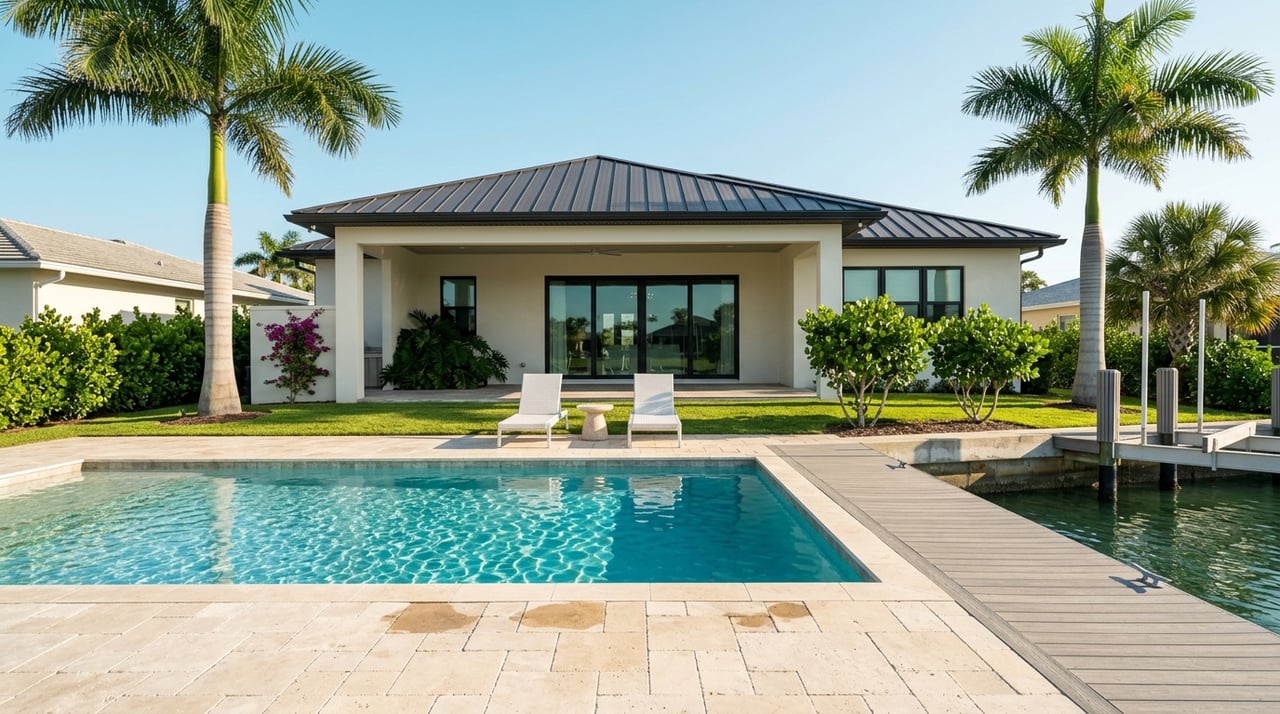
Canal-front properties often appeal to buyers who want more protected water. In many cases, canals can provide a practical setup for dockage while offering a quieter feel than more open waterfront.
Still, canal-front does not mean carefree. You may face tighter limitations tied to dock placement, lifts, bridge access, or property-specific regulations. Before you buy, it is smart to verify what the property can actually support rather than assume every canal lot works the same way.
Boating Access Shapes Daily Life
For many buyers, boating access is the biggest factor that separates one waterfront property from another. A beautiful view matters, but easy launch options, route planning, and practical day-to-day access often matter just as much once you live there.
Jupiter offers several official access points that support an active waterfront lifestyle. Waterway Park includes three concrete boat ramps, floating staging docks, and a yacht basin. Burt Reynolds Park offers 24/7 boat ramp access, with its west side better suited to larger boats, while DuBois Park adds a non-motorized ramp, day-use slips, and a canoe and kayak launch.
Public Access Adds Flexibility
One advantage of this area is that access to the water is not limited to private docks. Public docks are also available at the Jupiter Yacht Club Marina Basin on a first-come, first-served basis, giving residents and visitors another option for time on the water.
That broader access can be helpful if you are comparing properties with and without private dockage. It may also make waterfront living feel more flexible if your ideal property offers proximity to the water but not a private marine setup.
The Waterway Trail Supports Active Use
The Jupiter Waterway Trail connects the Loxahatchee River, the Intracoastal Waterway, and Jupiter Inlet. The town identifies it as a local resource for kayaking, paddleboarding, snorkeling, boating, fishing, and diving.
If you are drawn to the area for an outdoor lifestyle, that is a meaningful benefit. It supports the idea that waterfront living here is not only about owning on the water, but also about using the water in different ways.
The Property Type Determines the Rules
One of the biggest mistakes buyers can make is focusing only on the setting and not the regulations. In Jupiter and Tequesta, the kind of waterfront property you buy helps determine what you can do with docks, lifts, seawalls, and even watercraft storage.
This is where local research becomes essential. Two homes with similar views can come with very different ownership responsibilities and approval requirements.
Dock and Boatlift Approvals in Jupiter
Jupiter requires building permits for dock and boatlift projects. The town says these projects may involve review by multiple departments as well as approvals from outside entities such as the Florida Department of Environmental Protection, the Army Corps of Engineers, and an HOA where applicable.
That means a private dock is not simply a bonus feature you can modify later without checking the process. If you are buying with plans to add or improve marine features, confirm those possibilities early.
Seawalls and Shoreline Work Matter Too
Jupiter also notes that seawalls and shoreline stabilization options require permitting. Whether a property qualifies for certain work may depend on existing stabilization and how it fits local code definitions.
For buyers, this is an important reminder that waterfront ownership includes infrastructure, not just scenery. Maintenance needs and future upgrades should be part of your decision from the beginning.
Tequesta Has Specific Permit Requirements
Tequesta also has detailed requirements for dock and boatlift permits. The village requires DEP approval, a signed and sealed survey, engineered plans, and an electrical permit for boat lifts.
Tequesta also requires a no-fee permit for parking or storage of watercraft at residences, including condominiums and common areas such as decks and parking garages. That is especially important if you are considering a condo or shared-access property and plan to keep a boat or other watercraft onsite.
Flood Planning Is Part of Waterfront Ownership
The lifestyle benefits of waterfront living are real, but so are the practical tradeoffs. In Jupiter and Tequesta, flood risk is one of the biggest considerations you should review before making an offer.
This is not just a concern for homes directly on wide-open water. Local information makes clear that flood exposure can affect a range of property types across the area.
What Jupiter Says About Flood Risk
Jupiter states that its flood hazard areas are scattered and that every property has the potential to flood. The town identifies low-lying areas, properties along canals and lakes, and coastal zones prone to tidal surges as especially vulnerable.
Jupiter also notes that newer FEMA flood maps became effective on December 20, 2024. For buyers, that can affect how a property is evaluated and whether flood-related coverage requirements may apply.
What Tequesta Says About Flood Risk
Tequesta is similarly direct in its public guidance. The village states that floods are among the most common natural disasters, identifies low-lying, coastal, and river-adjacent areas as especially at risk, and recommends flood insurance for all residents.
The village also notes that most homeowners insurance policies do not cover flood damage. In addition, it says flood insurance has a 30-day waiting period after purchase and that 26% of people can expect to experience a flood during the life of a 30-year mortgage.
Storm Season and Water Conditions Matter
Waterfront living also means thinking beyond the property line. Seasonal weather, changing water conditions, and boating logistics all affect how the lifestyle works in real life.
This is especially true if you plan to keep a boat, use nearby bridges regularly, or want fast access to the inlet.
Hurricane Season Affects Planning
Jupiter reminds residents that hurricane season runs from June 1 through November 30. The town also notes that drawbridges are typically locked down when a hurricane watch is issued, so boat owners who need bridge openings should move early.
That is the kind of detail that can make a real difference in your planning. If your property choice depends on bridge timing or quick vessel movement, storm procedures should be part of your evaluation.
Long-Term Vulnerability Is Being Studied
Jupiter’s 2025 Vulnerability Assessment shows the town is planning for multiple flood drivers, including sea level rise, storm surge, groundwater, and extreme rainfall. The assessment uses 31 modeled scenarios, which shows how seriously the town is approaching future resilience.
For buyers, this does not mean waterfront living should be avoided. It means you should approach it with clear eyes, good due diligence, and a realistic understanding of both the benefits and responsibilities.
How To Evaluate a Waterfront Home
If you are comparing waterfront properties in Jupiter or Tequesta, it helps to look beyond the photos. The right home is not just the one with the best view. It is the one that supports the lifestyle you want and the level of upkeep and planning you are comfortable with.
A simple checklist can help you narrow your options and ask better questions as you tour homes.
Questions To Ask Before You Buy
- What type of waterfront is this: riverfront, Intracoastal-front, inlet-adjacent, or canal-front?
- Does the property currently have a dock, lift, seawall, or shoreline stabilization?
- If not, what approvals would be needed to add them?
- Are there HOA rules that affect docks, lifts, storage, or watercraft use?
- Is the property in an area with known flood exposure or updated map changes?
- If boating is important, how easy is access to ramps, bridges, and the inlet?
- For condos or shared-access properties, what storage and use rules apply?
The Best Fit Depends on Your Priorities
There is no one-size-fits-all version of waterfront living in Jupiter and Tequesta. Some buyers want quick boating access and daily movement on the Intracoastal. Others prefer the calmer feel of a canal or riverfront setting, even if that means a different route to open water.
The key is to match the property to your priorities. When you understand the local water types, boating access, permit rules, and flood considerations, you can make a more confident decision and avoid surprises later.
If you are exploring waterfront homes in Jupiter or Tequesta and want clear, step-by-step guidance, Stacey Carey can help you evaluate the details that matter so you can move forward with confidence.
FAQs
What does waterfront living mean in Jupiter and Tequesta?
- In Jupiter and Tequesta, waterfront can mean riverfront, Intracoastal-front, inlet-adjacent, or canal-front living, not just oceanfront property.
What makes boating access different between Jupiter waterfront homes?
- Boating access can vary based on the water type, proximity to public ramps, bridge access, and how close the home is to the Intracoastal or Jupiter Inlet.
What should buyers know about docks and boat lifts in Tequesta?
- Tequesta requires specific approvals for dock and boatlift work, including DEP approval, a survey, engineered plans, and an electrical permit for boat lifts.
Are flood risks important for Jupiter and Tequesta waterfront homes?
- Yes, both municipalities say flood risk is a practical issue for waterfront and other low-lying properties, and Tequesta recommends flood insurance for all residents.
What is important to know about Jupiter Inlet conditions?
- Tequesta states that Jupiter Inlet conditions can change, including shifting depths, so boaters should use caution and rely on multiple sources of information for safe passage.